
- ADDRESS
Raja Ram Mohan Roy Rf
Girgaoan Mumbai 400004.
Abrex 450 Steel Plates: Properties, Composition, and Key Specifications
Abrex 450 Steel Plates – Properties, Uses & Buying Guide
Abrex 450 steel plates are used where wear and abrasion are major problems. If your equipment handles rocks, sand, ore, or scrap, normal steel wears out fast. This leads to downtime and higher costs. Hence Abrex 450 is designed to last longer in these conditions.
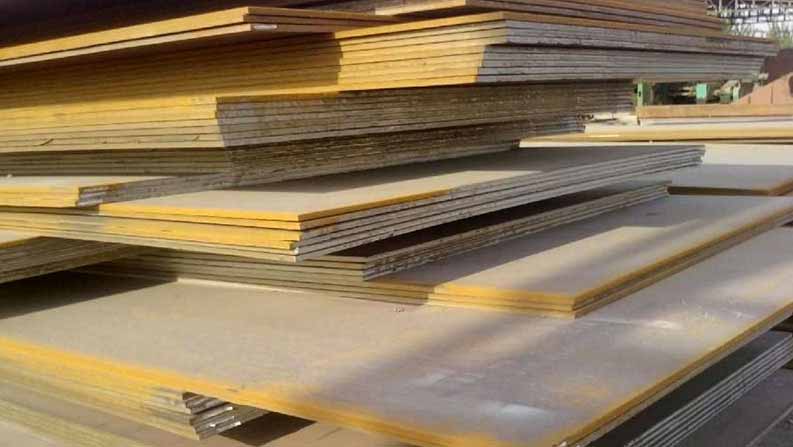
This article explains what Abrex 450 steel plates are made of, how they perform, and what buyers should check before ordering.
What Is Abrex 450 Steel
Abrex 450 is a hardened wear resistant steel plate. The number 450 refers to its typical hardness level, measured in Brinell hardness. This hardness helps the plate to resist surface wear caused by impact and sliding abrasion.
But Abrex 450 is not just hard. It also maintains enough toughness to avoid cracking under normal working loads.
Why Abrex 450 Is Used
Many industries use Abrex 450 because it extends equipment life. It reduces the need for frequent part replacement and performs well in both impact and abrasion conditions.
Chemical Composition
| Element | Percentage |
|---|---|
| Carbon | 0.25% |
| Silicon | 0.70% |
| Manganese | 1.60% |
| Phosphorus | 0.025% |
| Sulfur | 0.010% |
| Chromium | 1.50% |
| Nickel | 2.00% |
| Molybdenum | 0.60% |
Mechanical Properties
- Hardness: 420 to 480 HBW
- Tensile strength: 1400 MPa
- Yield strength: 1200 MPa
- Impact toughness: Suitable for moderate loads
Key Specifications Buyers Should Check
- Plate thickness: 3 mm to 50 mm
- Custom width and length
- Quenched and tempered condition
- Surface finish
- Flatness tolerance
- Hardness and impact testing
- Mill Test Certificate (MTC)
Fabrication & Welding Notes
- Preheating required for thick plates
- Use low hydrogen electrodes
- Control heat input
- Avoid excessive grinding
Applications
- Mining equipment
- Dump truck bodies
- Buckets and liners
- Crushers and screens
- Cement plants
- Earthmoving machinery
- Recycling equipment
Why Buyers Choose Abrex 450
- High wear resistance
- Long service life
- Reduced downtime
- Reliable performance
Final Thoughts
Abrex 450 steel plates are built to handle wear. They protect equipment from constant abrasion and help extend working life. Understanding the chemical composition and specifications helps buyers choose the right material with confidence.